Bathroom remodeling in Lunenburg, MA
Bathroom remodeling in Lunenburg is mostly about plumbing that was never meant to last. In the converted camps around Lake Whalom the drains, supplies and vents were added piece by piece over the decades, and a proper bathroom job puts them right instead of tiling over them. The farmhouses and the newer houses are simpler, each in its own way.
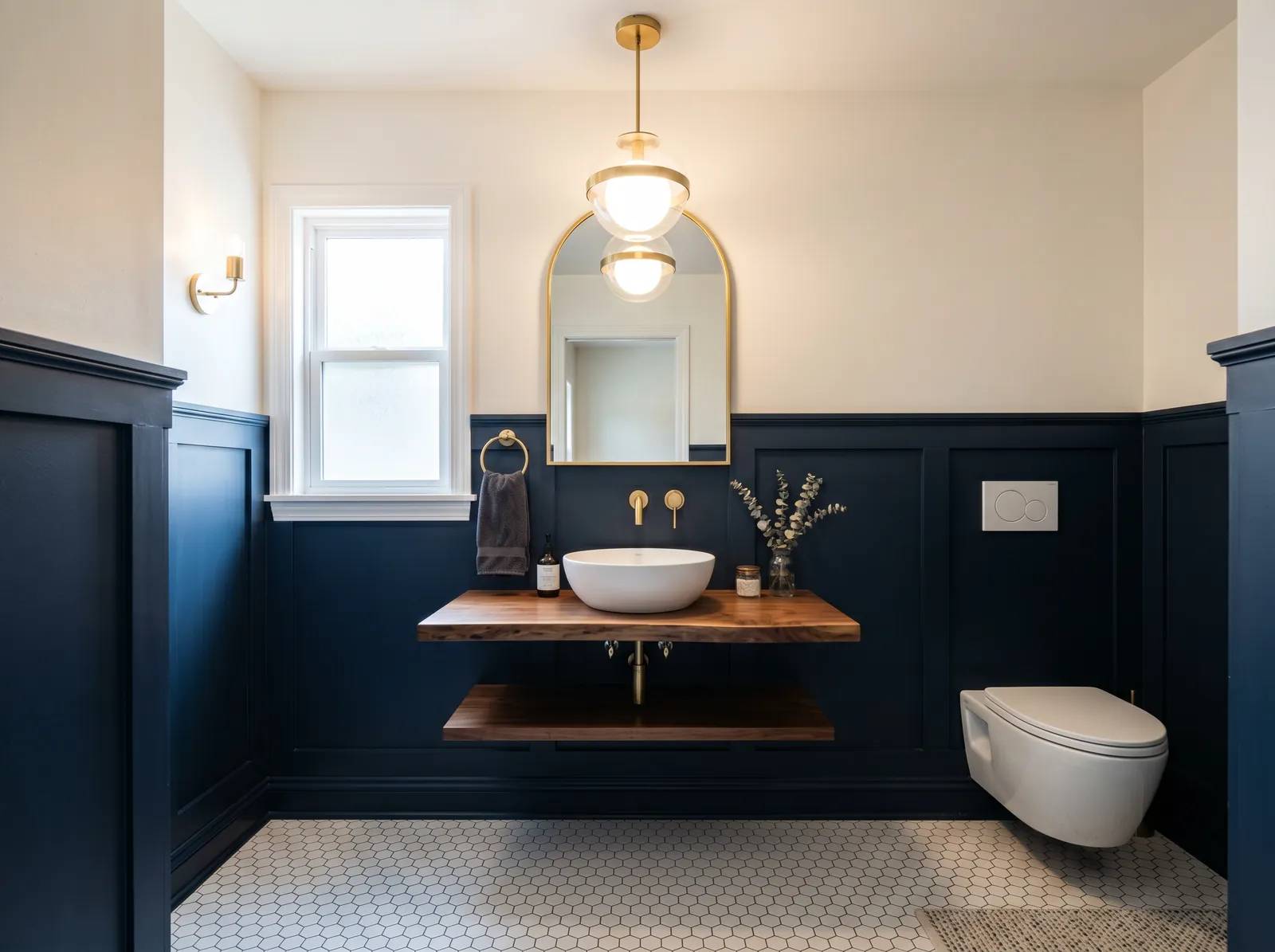
The houses this is written for
The stock here is antique farmhouses on the country roads, a concentration of former seasonal cottages around the lake that have been converted to year-round use, and newer single-family construction.
Where the bathrooms sit in Lunenburg houses
A farmhouse bath is usually one room upstairs, taken out of a bedroom when indoor plumbing arrived, plus perhaps a half bath squeezed under the stairs. A lake cottage often has a single bath added to an outside corner, sometimes in a lean-to that was never framed for the weight of a tiled floor. The newer single-family houses come with the standard layout: a hall bath, a first-floor half bath, and a primary bath off the main bedroom.
Each layout sets the job. Adding a second full bath to a farmhouse means finding a chase for a new stack. Fixing a cottage bath means rebuilding the drain and supply from the fixture back to the main. Refreshing a newer primary bath is mostly about replacing a fibreglass unit with tile and a real shower. We look at all three the same way: what is the structure, where does the waste go, and what does the water supply allow.
Seasonal plumbing and what we do about it
The cottages are the recurring problem. Waste lines were run with too little pitch because the floor sat low on piers, supply lines were tucked into uninsulated exterior walls where they freeze, and vents were tied in wherever a fitting fit, or not at all. None of that shows from inside the room. It shows up as a slow drain, a burst pipe in January, or a smell that comes and goes.
We do not work around it. When the floor and walls are open we rebuild the drain with correct fall, move supplies to interior walls or insulated chases, and run a proper vent to the outside. That is part of the bathroom scope, and we say so at the quote stage so nobody is surprised when the plumber spends a day under the floor.
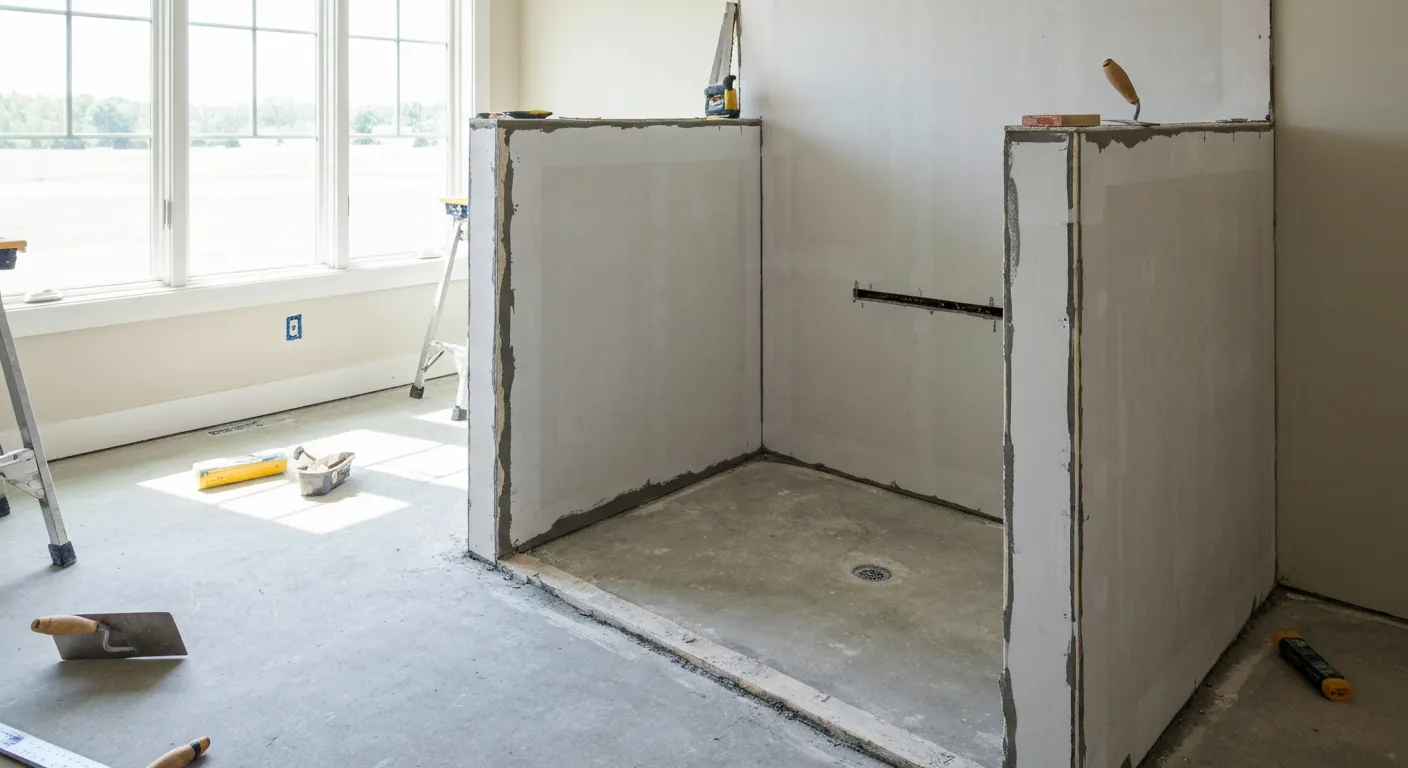
Adding a bath on well and septic
Most of the town is on private wells and septic systems. Adding a bathroom does not on its own change the design flow a septic system is rated for, since that flow is generally based on bedroom count rather than fixture count. But a system built for a summer camp may already be undersized for year-round living, and a second bath adds to daily use. We look at the system before drawing anything.
Well water brings its own checks. Pressure has to hold up when two showers run at once, which may mean a pressure tank upgrade. Hard or iron-heavy water stains fixtures and shortens the life of valves, so treatment is worth discussing before new brass goes in. These are cheap questions to ask early and expensive ones to discover later, and they belong in the first site visit rather than the punch list.
Waterproofing, fans and older materials
Behind every tile we install there is a proper waterproofing membrane over the substrate, with the corners and the niche sealed as a system. The tile is the finish, not the barrier. Fans are ducted outside through an exterior wall with a backdraft damper, sized for the room and wired so they actually get used. On a cottage with a low ceiling the fan location gets chosen during framing so the duct has a clean run.
In the farmhouses and the older camps, the walls and floors may contain materials from that era that need testing before demolition. We arrange the testing and plan removal accordingly. It adds a step, but it is the step that keeps everyone on the job and in the house safe. Where the result is clear, the demolition proceeds as normal and the schedule barely moves.
Layout, aging in place and the MCB sequence
Same-footprint work keeps the fixtures where they are and replaces everything around them. It is the quickest route in a farmhouse where the floor structure is sound. Moving fixtures means new drain routes, and in a cottage that can mean cutting a new opening in undersized joists, so we sister or replace framing as part of the work. For owners planning to stay, a curbless shower, blocking for grab bars and a wider door are easy to build in now and awkward to add later.
Our sequence runs design, written scope, testing where needed, demolition, plumbing and electrical rough-in, inspection, waterproofing, tile, fixtures, then paint and trim. On the lake roads the driveway and the lot decide what fits, so material staging is worked out before the first delivery. Tile, a vanity and a tub do not need a large truck, but a dumpster does, and on a tight lakeside lot we sometimes run a smaller container and swap it more often.
Questions we get asked about Lunenburg
Do you work in Lunenburg?
Yes. Lunenburg is 10 miles from our base in Lancaster, well inside the area we cover day to day.
Does adding a second bathroom mean we need a new septic system?
Not automatically. Septic design flow is generally tied to the number of bedrooms, not bathrooms, so a second bath does not by itself change the rating. What matters is whether the existing system was ever adequate for year-round use. On a converted camp it often was not. We recommend an inspection of the tank and leach field before we design, so the answer is known rather than assumed.
Our cottage bathroom drains slowly and smells in summer. Is that fixable during a remodel?
Yes, and it is usually the same cause. Drains laid with poor fall hold water, and a vent that was never tied in lets traps siphon dry. Once the floor is open we re-pitch the waste line and run a proper vent to the exterior. That work is included in a cottage bath scope from the start, because it is the reason the room has problems.
Why do you insist on testing before demolition in an older house?
Because walls and floors from certain eras can contain materials that need to be identified before anyone cuts into them. We do not diagnose on sight and we do not guess. A test gives a clear answer, the removal is planned to suit it, and the rest of the job proceeds normally. It is a short delay compared with the alternative.
Can a fibreglass tub and shower unit be replaced with tile in a newer house?
That is the most common request in the newer Lunenburg stock. The one-piece unit comes out, the framing is checked and often re-blocked, a waterproof membrane goes over a cement or foam board substrate, and the tile goes on that. A linear drain or a curbless entry is possible if the joist direction allows it, which we confirm before design.
Will low well pressure ruin a new shower?
It can make an expensive shower valve feel like a garden hose. We check static and running pressure on the first visit. If it drops badly when a second fixture opens, the fix is usually a larger pressure tank or a pump adjustment rather than anything in the bathroom itself. We coordinate that with your well contractor so the new fixtures get the flow they were designed for.
What paperwork do we get before work starts?
A written estimate that itemises scope, materials and exclusions, then a written contract before any work begins. Ask us for our registration and insurance details in writing and we will provide them directly — we do not publish those numbers online.
Do you pull permits?
Yes. We pull the building permit on any work that requires one; the plumber and electrician file their own trade permits, and we coordinate them. Permitting in Lunenburg goes through the town's building department and it is written into the scope we quote rather than added later.
Also in Lunenburg
Nearby towns
- Fitchburg
- Leominster
- Bathroom remodeling in Shirley
- Bathroom remodeling in Townsend
Tell us about your Lunenburg project.
We will come and look at it, and you will get a written scope and price.
(508) 656-7436 1171 Main St, Lancaster, MA 01523 Office visits by appointmentGot it.
Your details are with us. We'll be in touch to arrange a look at the project. If it's urgent, call (508) 656-7436.