Who refinishing is right for, and when to replace instead
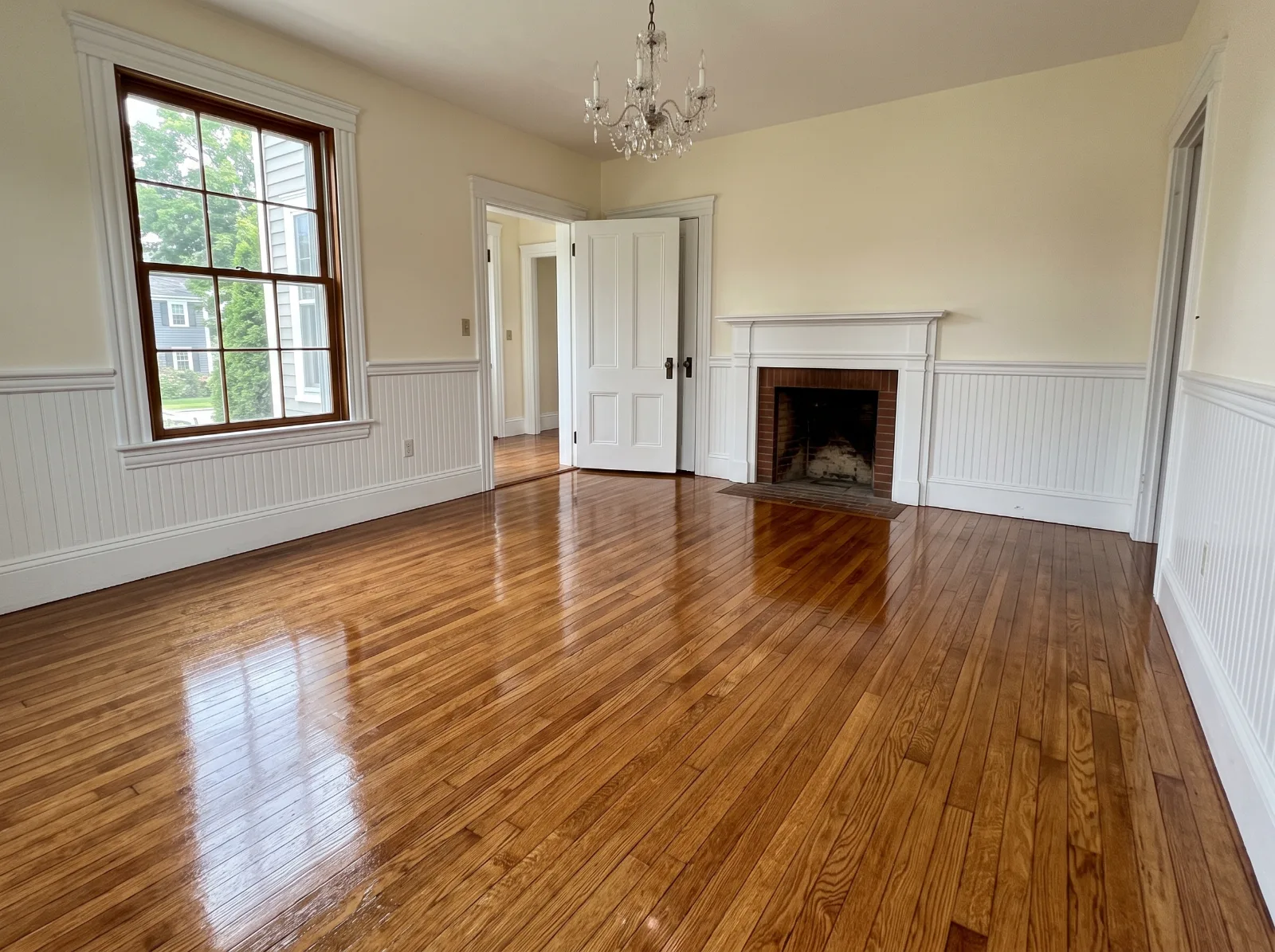
Refinishing is for solid or thick-veneer hardwood that is worn, scratched, dull or the wrong color, but still sound and attached to the subfloor. It is one of the better-value projects in a house: you keep the floor you already own and get it back to fresh wood with a new finish.
It is the wrong move when the boards are loose, cupped from a water problem, soft from rot, or worn so thin that the nails or tongues are showing. Engineered floors with a thin top layer, and floors that have already been sanded many times, may not have enough wood left. In those cases we will tell you plainly and point you toward new hardwood installation or, for a room that keeps getting wet, something like luxury vinyl plank. If the damage came from a leak, the leak and any wet framing need to be dealt with first; that is water damage restoration work before it is flooring work.
Refinishing costs in Central MA
These are typical ranges for 2026 in our service area, not quotes. Your written estimate itemises the scope, materials and exclusions, so you know exactly what is covered.
| Typical scope | Typical range |
|---|---|
| Screen and recoat (finish-only refresh), any room size | $1.50–$3 per sq ft |
| Sand and clear finish, one room (about 300 sq ft) | $900–$1,800 |
| Sand, stain and finish, first floor (about 500 sq ft) | $2,000–$3,500 |
| Stair treads, sanded and refinished | $40–$100 per step |
| Board replacement or pet-stain repair | $300–$900 for most repairs |
| Carpet removal and staple pulling to expose old oak | $1–$2 per sq ft |
What moves the number: stain versus natural, water-based versus oil-based finish, number of coats, how much patching and board replacement is needed, stairs and railings, and how many closets and small rooms there are. Hard species like maple can take more sanding time than oak.
What the job involves, step by step
1. Inspection. We look at wear, check the wood thickness above the tongue at a floor register or threshold, and note loose boards, stains and old repairs. We also ask when the house was built, because that changes how we handle trim and anything under the carpet.
2. Prep and demo. Furniture comes out. If there is carpet, the carpet, pad, tack strip and every staple come up. Shoe molding is usually pulled so the sander can reach the edges. Doorways, vents and adjoining rooms get sealed off to control dust.
3. Repairs. Loose boards get re-nailed. Damaged or blackened boards get cut out and replaced with matching wood, woven into the existing pattern so the repair does not show as a patch.
4. Sanding. A drum or belt sander takes the floor down to bare wood in several passes with finer grits, then edging and hand scraping handle corners, closets and along the walls. A final buff smooths out sander marks.
5. Stain (optional). We apply sample colors on your actual floor so you can see them in your light, then stain the room you pick. Red oak and white oak take the same stain very differently, so the on-floor sample matters.
6. Finish. Usually three coats, with drying time and a light abrasion between coats.
7. Trim and cleanup. Shoe molding goes back, we clean up, and we go over care with you.
Timeline: a screen and recoat is often a day. A sand and clear finish on a room or two is usually three to four days. Stain plus oil-based finish on a larger area can take about a week because of drying time between coats.
Issues specific to older New England homes
Oak hiding under carpet. A lot of the capes and ranches in Leominster, Fitchburg and Hudson were built with strip oak that got covered with wall-to-wall carpet a generation later. Under the pad, the wood is often in better shape than people expect, apart from staple holes and some discoloration at the edges. That floor can usually be sanded and finished for far less than new flooring.
Worn and uneven floors in older houses. In the mill-era homes in Clinton and the older multi-families in Worcester, floors may have been sanded several times already, and some have dips and humps from settling. A sander follows the floor, so it will not make a sloping floor level. What we check is how much wood is left and whether any areas will sand through.
Seasonal gaps. Dry winter heat shrinks boards and summer humidity swells them. Refinishing in the middle of the heating season can show gaps that close again by summer. Filling those gaps with wood filler in January usually cracks out by June, so we fill only where it makes sense, and we talk through the timing with you.
Asbestos in old flooring layers. If a pre-1980 home has old 9-inch by 9-inch vinyl tiles or black mastic stuck to part of the wood, sanding it is the wrong answer. Massachusetts has specific rules for asbestos work, including MassDEP notification. We test before we tear it out, and positive material is handled under those rules before any sanding.
Lead paint. In pre-1978 homes, painted floors, painted borders around old rugs, and trim may contain lead. Sanding painted surfaces is exactly the kind of work EPA’s Renovation, Repair and Painting rules cover. Ask any contractor in writing how they will handle it and ask to see their RRP paperwork.
Choosing a color and finish
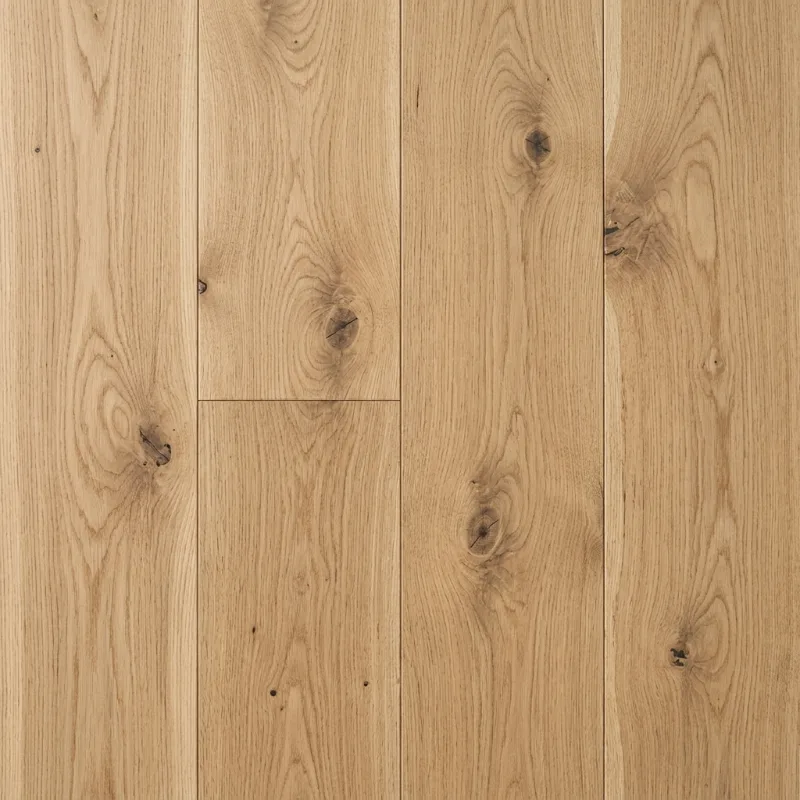
Natural or stained. A clear finish on red oak shows its pink and amber tones. White oak with a clear water-based finish reads lighter and more modern. Warm browns suit colonials and dining rooms; very dark stains show dust and scratches more.
Finish type. Oil-based ambers and deepens over time. Water-based stays clearer and dries faster with less odor. Commercial-grade water-based finishes are a good choice for busy households and pets.
Sheen. Satin and matte hide scratches and dust better than semi-gloss or gloss, which is why most people pick them now.
Finish and stain manufacturer warranties vary by product; follow the maker’s care instructions to stay within them.
What to ask any flooring contractor
- Will you check how much wood is left above the tongue before you quote?
- Do you recommend a screen and recoat or a full sanding for my floor, and why?
- How many coats of finish, which product, and what drying time between coats?
- Will you do stain samples on my actual floor?
- How will you contain dust and protect adjoining rooms?
- For a pre-1978 or pre-1980 house, how will you handle lead paint and possible asbestos, and can you put that in writing?
Next step
If your floors look tired or you have oak hiding under carpet, we offer a free in-home consultation. We look at the wood, check thickness, lay down finish and stain samples, and follow up with a written estimate that lists scope, materials and exclusions. You can compare other options on our flooring page.
Common questions
How do I know if my floor needs a full sanding or just a recoat?
If the scratches are only in the finish and the wood itself is not gray, stained or worn through, a screen and recoat is usually enough. If you see bare wood in traffic lanes, deep scratches, dark water marks or pet stains, the floor needs to be sanded down to fresh wood and refinished.
Can every hardwood floor be sanded?
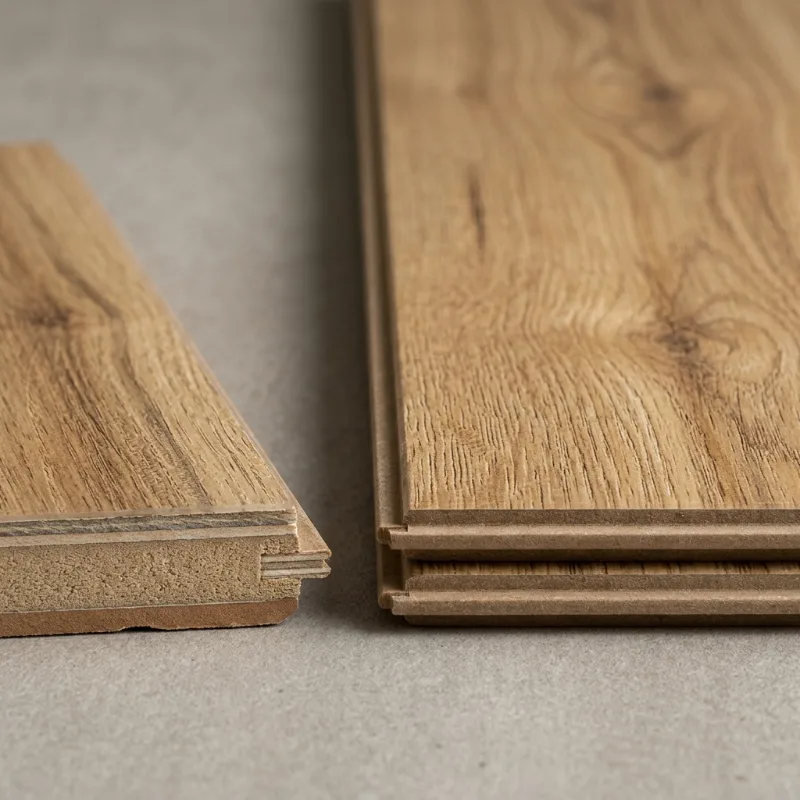
Most solid floors can be sanded several times. Engineered floors depend on how thick the top wood layer is; some can take one or two sandings and some cannot be sanded at all. Floors that have already been sanded many times may have too little wood left above the tongue. We check before we quote.
Should I use water-based or oil-based finish?
Oil-based finish ambers over time and gives red oak a warm, traditional color, but it has a strong odor and longer drying time between coats. Water-based finish dries faster, has less odor, and stays clearer, which suits natural and lighter looks. Both hold up well when applied correctly.
Do we have to move out while you refinish?
Not always. Many people stay home and just stay off the rooms being worked on. With oil-based finish, or if anyone in the house is sensitive to odors, it is often easier to be away for a few days. We plan the sequence with you so you still have a path through the house.
How soon can we put furniture and rugs back?
Light foot traffic in socks is usually fine within about a day of the last coat. Furniture with felt pads can often go back after a few days. Rugs should wait longer, because finish keeps curing for a couple of weeks and a rug can trap it. Follow the finish maker's instructions.